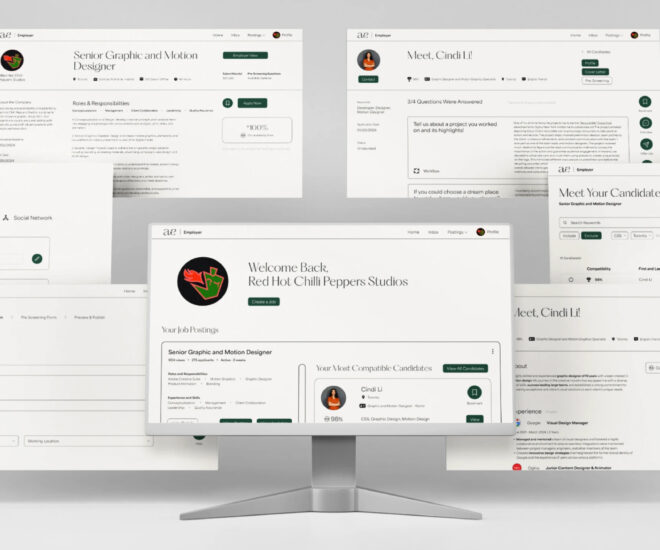

The Cultural Transformation Simulator is a critical, interactive artifact that exposes how cultural meaning is altered, diluted, and redistributed through everyday creative decisions. Rather than preventing appropriation, the system positions the user as the appropriator, requiring them to consciously engage with what they are taking, altering, and transforming, making an otherwise abstract process visible and tangible in real time.

Culture Transformation Simulator
Department
Design
Program
Design (BDes)
Graduate Year
2026
Specialities
Branding / Editorial Design / Information Design / Package Design / UX/UI Design
Research
Research Question
How and why do Indian cultural practices become decontextualized and popularized in Western contexts, and how might design-led methodologies or systems reveal, protect, or realign these practices with their originators and their cultural meanings
Sub Research Questions
-What cultural, emotional, or economic effects do these design-driven transformations have on the originators and communities whose practices are being adapted?
-How can system-based design approaches make the processes of cultural transformation and appropriation more visible and understandable to users
Summary of my research
My research, spanning fashion, wellness industries, digital platforms, diasporic activism, and historical analysis, reveals consistent patterns in how Indian cultural practices are circulated, altered, and reinterpreted globally. Across case studies and academic work, cultural elements repeatedly undergo decontextualization, where historical, spiritual, and social meanings are stripped away in the process of global consumption. In fashion, for example, items such as Kolhapuri chappals, dupattas, and traditional drapes are rebranded or aesthetically softened for Western markets, distancing them from their originators (Hussain, 2025).
In wellness and medicine, ingredients like turmeric and neem, along with Ayurvedic knowledge, are commodified and reframed to align with Western regulatory, aesthetic, and commercial expectations (Viale & Vicol, 2023).
Across all domains, the same structural forces recur: low public awareness, corporate negligence, unequal credit distribution, and the persistence of Orientalist narratives that romanticize and exoticize India while flattening its complexities. These patterns show that the issue is not industry-specific but systemic, rooted in unequal cultural exchange and global design, media, and market practices.


Positioning the Work
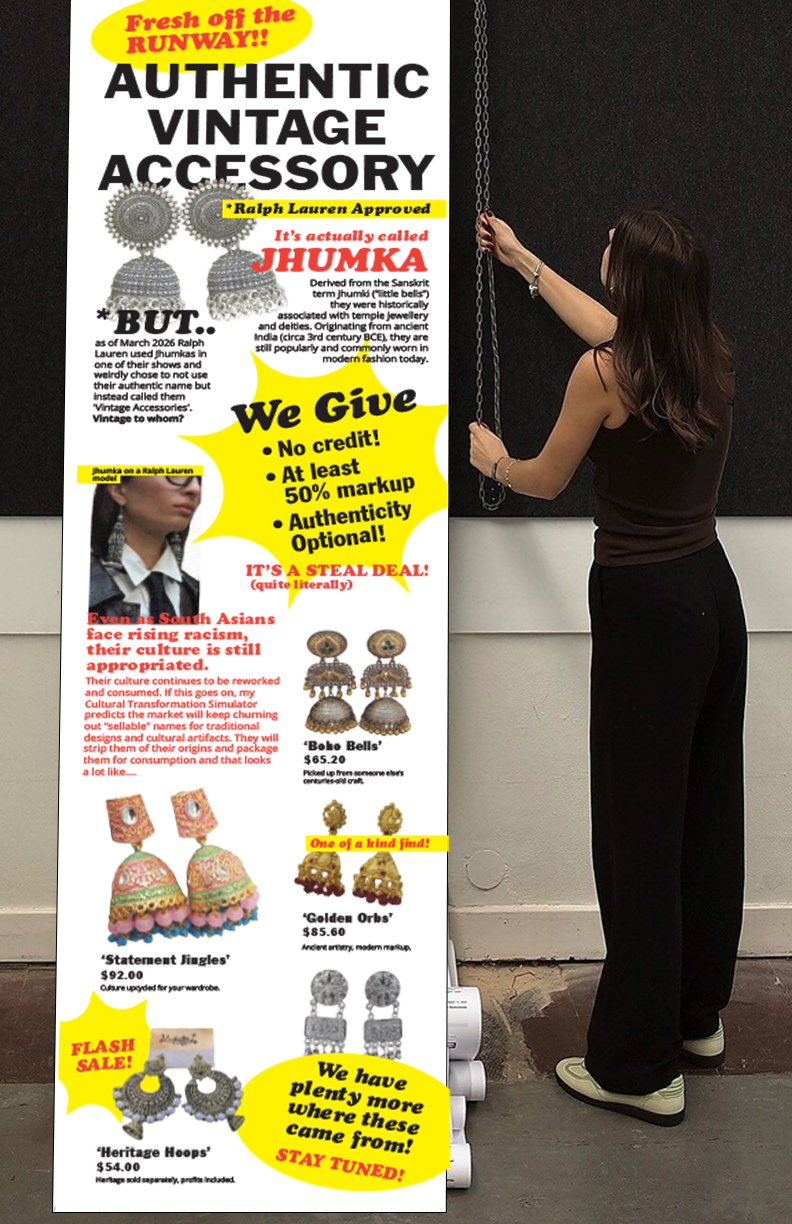
The Cultural Transformation Simulator emerges from a need to confront how cultural appropriation often operates as an abstract, normalized process within creative industries. While conversations around appropriation exist, they are frequently theoretical, detached, or reduced to surface-level discourse. This project investigates how cultural meaning is incrementally altered through everyday design decisions—often without acknowledgment or awareness. By breaking this process into visible, interactive transformations, the simulator exposes patterns such as anglicization, aesthetic softening, and commodification, making the often invisible mechanisms of cultural change tangible and immediate.
The project is aimed at designers, creators, and brands who actively engage with cultural references, positioning them not as passive participants but as agents within these transformations. By placing users in the role of the appropriator, the simulator prompts conscious engagement with what is being taken, altered, and redistributed. Rather than offering solutions, the aim is to provoke reflection, discomfort, and critical awareness—encouraging users to question their own practices and the systems they operate within. Ultimately, the project seeks to shift how cultural engagement is approached, from passive consumption to deliberate and accountable action.